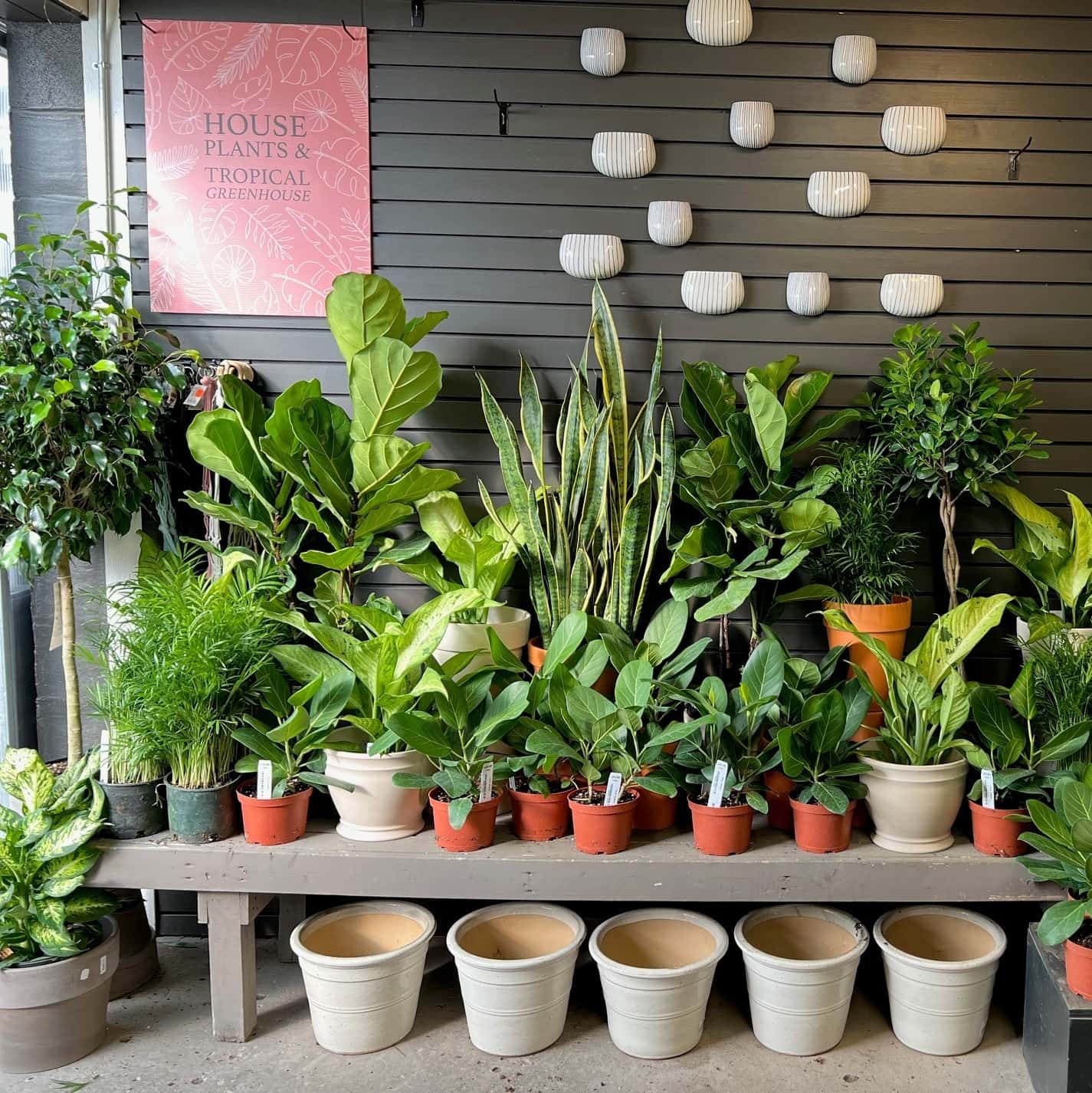
You've decided to try growing plants. Maybe it's for the air purification, the aesthetic appeal, or simply the desire for living things to care for. Whatever motivated you, welcome to the world of plant parenting.
The good news: plant care isn't difficult once you understand a few fundamentals. The bad news: you'll likely kill a few plants along the way. That's normal. Even experienced gardeners lose plants. Each loss teaches something that makes you a better plant parent.
This guide covers the absolute fundamentals you need to know to start successfully. We'll skip the advanced techniques and focus on what actually matters for beginners.
The Five Fundamentals of Plant Care
Every plant's health depends on five core factors:
1. Watering (The Most Critical)
The most common beginner mistake: Overwatering. Plants die from overwatering far more than underwatering. Most plants prefer slightly too dry to slightly too wet.
How to water correctly:
- Check soil moisture by inserting your finger 1-2 inches deep. If soil feels dry at that depth, water. If moist, wait.
- Water thoroughly until water drains from the pot's bottom drainage hole. Then stop.
- Don't water again until soil is dry at 1-2 inches depth.
- Most tropical plants need watering 1-2 times per week during growing season (spring/summer), less in winter.
- Succulents and cacti need much less—once every 2-3 weeks, even less in winter.
Pro tip: Use room-temperature water. Cold water shocks tropical plant roots. Let tap water sit for several hours, or use water from a pitcher on your windowsill.
2. Light (The Second Most Critical)
What most beginners get wrong: Putting plants in dark corners. Many popular houseplants come from jungle understories (not dark basements), so they need more light than you'd expect.
Light categories:
- Bright indirect light: Light from a window but not direct rays on the plant. East-facing or north-facing windows in UAE work well. Most tropical plants thrive here.
- Medium light: Several feet away from windows or in rooms with few light sources. Some plants tolerate this, but growth is slower.
- Low light: Away from windows. Very few plants truly thrive here—mainly snake plants, ZZ plants, and cast iron plants.
Signs your plant isn't getting enough light: Pale leaves, stretched stems with large gaps between leaves, slow growth. Move the plant gradually to a brighter location (changes over 1-2 weeks prevent sunburn).
3. Humidity (Easier Than You Think)
In the UAE's AC homes: Indoor humidity is naturally low (30-40%), which tropical plants don't love. But don't panic—most houseplants adapt.
Simple humidity solutions:
- Mist plants 2-3 times weekly with water in a spray bottle
- Group plants together—they create humidity through transpiration
- Place a saucer with pebbles and water under pots (plant sits on pebbles, not in water)
- For serious plant collectors, a small room humidifier maintains 50-60% humidity
Pro tip: Don't obsess over humidity. Most plants are more forgiving about humidity than about watering. Focus on watering correctly first.
4. Nutrients (Fertilizing)
The beginner question: "Do I need to fertilize?" Yes, but less than you think. Fresh potting soil contains nutrients for 4-6 weeks. After that, plants need feeding.
Basic fertilizing schedule:
- Growing season (spring/summer): Feed every 2-3 weeks with Folikraft Indoor Plant Food at recommended strength
- Fall/winter: Reduce to monthly or stop entirely. Growth slows, plants need less nutrition.
- Succulents/cacti: Feed monthly at half-strength, only during growing season
Signs of nutrient deficiency: Pale, yellowing leaves; slow growth; weak stems. Fertilizing resolves these within 2-3 weeks.
Signs of overfeeding: Brown leaf edges, crusty soil surface (salt buildup). If this happens, flush soil with water and wait 4 weeks before fertilizing again.
5. Container and Soil
Container essentials:
- Pots must have drainage holes. Non-draining pots guarantee root rot.
- Size matters: pot should be 1-2 inches larger in diameter than the plant's root system. Oversized pots stay wet too long.
- Use potting soil, not garden soil. Potting soil drains properly; garden soil is too dense.
When to repot: Repot when roots emerge from drainage holes or the plant dries out very quickly after watering (every 12-18 months for most plants). Best time: spring as growth begins.
Choosing Your First Plants
Success builds confidence. Start with nearly indestructible plants that tolerate neglect, forgive watering mistakes, and grow in various light conditions:
Easiest Beginner Plants
- Snake Plant (Sansevieria): Tolerates almost anything. Neglect, low light, inconsistent watering. Still grows. Impossible to kill.
- ZZ Plant: Glossy dark green leaves. Tolerates low light and infrequent watering. Grows slowly but steadily. Professional appearance.
- Pothos (Devil's Ivy): Trailing vines with heart-shaped leaves. Tolerates low light. Forgiving with watering. Multiplies easily for propagation fun.
- Spider Plant: Cascading leaves, produces "babies." Extremely tolerant. Grows fast so you see results quickly. Motivating for beginners.
- Rubber Plant: Large glossy leaves. Looks impressive instantly. Tolerates medium to bright light. Occasional watering.
Plants to avoid initially: Orchids, ferns, calatheas, and African violets are beautiful but fussy. Master the basics first, then challenge yourself.
The Essential Beginner Toolkit
What You Actually Need to Get Started
- Plants with drainage holes (non-negotiable)
- Indoor potting soil
- Watering can or spray bottle
- Folikraft Indoor Plant Food for feeding
- Small pruning shears for removing dead leaves
- Saucers to protect furniture from water damage
- Small spray bottle for misting
- Sunny windowsill or bright location
- Patience and willingness to learn from mistakes
You don't need expensive grow lights, humidity domes, or specialized equipment to succeed. These basics are genuinely sufficient.
The Beginner's Maintenance Schedule
Weekly:
- Check soil moisture on your plants
- Water if soil is dry
- Mist tropical plants
Monthly:
- Fertilize with Folikraft Indoor Plant Food during growing season
- Wipe leaves with soft cloth to remove dust
- Inspect for pests on leaf undersides
- Remove dead leaves and trim brown leaf edges
Every 3 months:
- Evaluate if plants have outgrown their pots
- Check pot drainage is working
- Adjust plant locations if light seems insufficient
Annually:
- Repot plants in spring as needed
- Refresh top inch of soil in larger plants you can't repot
- Assess which plants are thriving (keep doing what works)
- Assess which plants are struggling (reconsider their location, care)
📌 The Golden Rule of Plant Parenting
When in doubt, don't water. This single principle solves 80% of beginner plant failures. Underwatering is recoverable; overwatering usually isn't. Water only when soil is dry. Err on the side of less water rather than more.
Common Beginner Mistakes and Fixes
Mistake 1: Watering on a Schedule
Wrong approach: "I water every Wednesday." Wrong. Plants don't read calendars. Soil dries at different rates based on season, pot size, soil type, and humidity.
Right approach: "I check soil before watering." Check soil moisture. Water only when dry 1-2 inches deep. This one change eliminates most beginner failures.
Mistake 2: Putting Plants in Dark Corners
Why: Most houseplants come from jungle understories with dappled light, not dark forest floors. They need more light than you'd expect.
Fix: Place plants near windows (east or north-facing in UAE) where they receive bright, indirect light for several hours daily.
Mistake 3: Feeling Guilty About Plant Deaths
Reality: Every plant parent kills plants. It's part of learning. Each lost plant teaches what to change. Don't feel like a failure.
Solution: View plant deaths as data points for improvement. Analyze what went wrong (overwatering? Wrong light? Pests?) and avoid that mistake next time.
Mistake 4: Over-Fertilizing
Assumption: "If a little fertilizer helps, a lot will help more." Nope. Excess nutrients damage roots and cause salt buildup.
Fix: Follow Folikraft product instructions exactly. Monthly feeding is usually sufficient; weekly often causes problems.
Building Your Confidence
Plant care builds confidence through small successes. Start with one nearly-indestructible plant. Keep it alive for a season. Then add a second plant. Then a third. Before you know it, you'll have a thriving collection and genuine understanding of what plants need.
The learning curve is gentler than you expect. Most plants communicate their needs through visible signs: drooping (thirsty), yellow leaves (overwatering or nutrient deficiency), pale growth (light issue). Learn to observe these signals and respond appropriately.
Final Thoughts
Plant parenting is one of the most rewarding hobbies you can develop. It's accessible—requiring minimal equipment and investment. It's meditative—hands-on care provides stress relief. It's educational—you'll learn biology, horticulture, and ecology naturally through observation. And it's forgiving—most plants are tougher than you'd expect.
Start with the fundamentals covered here. Choose easy plants. Focus on watering correctly. Provide light. Feed occasionally. You'll succeed. Your collection will grow. And you'll discover joy in nurturing living things.