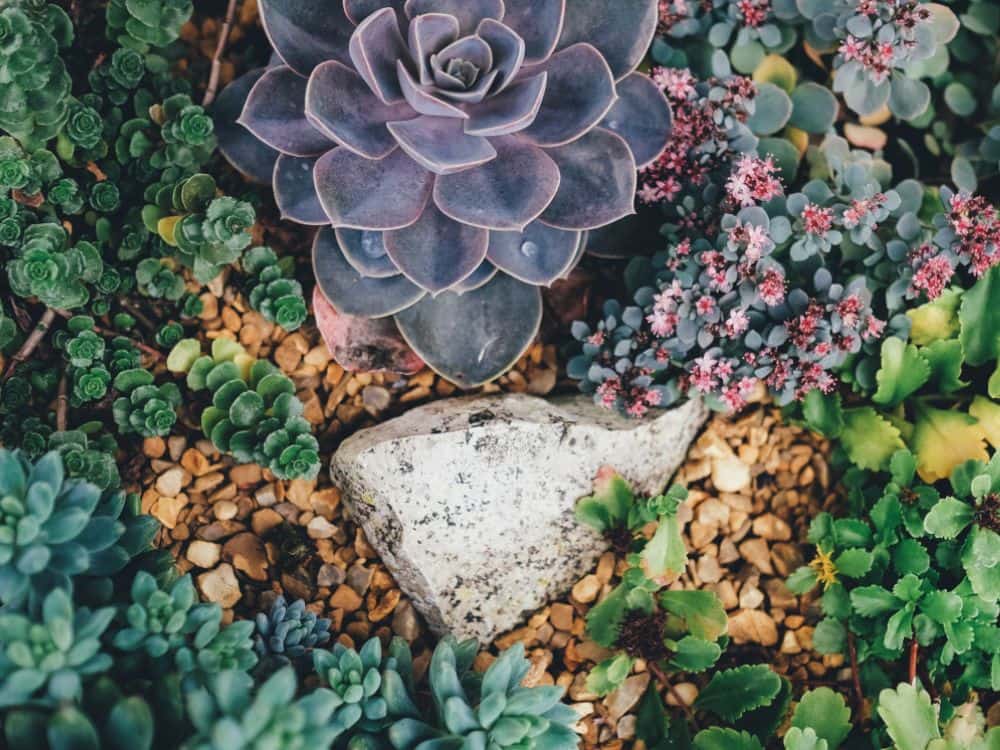
Succulents have a reputation for being indestructible, but they're actually quite fussy about their growing conditions. The UAE's climate presents unique challenges for succulent care, and many plant parents find their prized succulents struggling despite best efforts. The good news: most struggling succulents can be saved if you act quickly and follow the right steps.
Why Succulents Struggle: The Top Culprits
1. Overwatering (The #1 Killer)
Overwatering is responsible for roughly 80% of succulent deaths. Succulents evolved in arid environments with infrequent rainfall, storing water in leaves and stems for extended dry periods. In our climate, many plant parents water succulents with the same frequency as other houseplants—leading to root rot and plant death.
How to fix: Let the soil dry completely between waterings. In the UAE's air-conditioned homes, water succulents only every 2-3 weeks during growing season, and reduce to monthly in winter. Use the "soak and dry" method: water thoroughly until it drains from the bottom, then don't water again until soil is completely dry.
2. Poor Drainage
Even with correct watering, inadequate drainage causes waterlogging and root rot. Standard potting soil holds too much moisture for succulents, which need soil that drains rapidly.
How to fix: Repot into specialized succulent/cactus soil, or amend regular potting soil with 30-40% perlite or coarse sand. Ensure pots have drainage holes at the bottom. Avoid saucers that collect standing water.
3. Insufficient Light
Succulents need bright light to thrive. In low-light conditions, they become pale, elongated (etiolated), and weak. A struggling succulent sitting in a corner is getting inadequate light.
How to fix: Move succulents to the brightest location available—ideally a south or east-facing window with indirect bright light. If natural light is limited, consider a grow light placed 6-12 inches above the plant for 12-14 hours daily.
4. Temperature Stress
While succulents are heat-tolerant, extreme temperature fluctuations and cold drafts cause stress. The UAE's air conditioning can create temperature swings that affect growth.
How to fix: Keep succulents away from air conditioning vents, radiators, and drafty doors. Maintain temperatures between 15-28°C if possible. Avoid sudden temperature changes.
5. Pest Infestations
Mealybugs, spider mites, and scale insects commonly attack succulents. These pests weaken plants by feeding on sap, causing yellowing leaves and stunted growth.
How to fix: Inspect plants regularly, especially undersides of leaves. Isolate affected plants immediately. Treat with neem oil or Folikraft Ultimate Bug Killer, following label instructions. Repeat treatments every 7-10 days until pests are eliminated.
⚠️ Action Alert: Signs Your Succulent is Dying
- Soft, mushy stems or leaves (root rot)
- Translucent, waterlogged appearance
- Foul, musty soil smell
- Leaves fall off easily with light touch
- Pale, etiolated growth with large gaps between leaves
Step-by-Step Succulent Rescue Protocol
Step 1: Diagnose the Problem
Examine the plant carefully. Check:
- Stem and leaf texture (soft = rot; pale/stretched = light issue)
- Soil moisture (wet = overwatering; hard/separated from pot = underwatering)
- Pests (look for white cotton-like clusters = mealybugs)
- Light conditions (dark corner = insufficient light)
Step 2: Remove from Current Pot
Gently remove the succulent from its pot. If soil is wet and roots are mushy, this confirms root rot. Healthy roots are light-colored and firm; rotted roots are dark, mushy, and may smell bad.
Step 3: Remove Rotted Roots
Using clean scissors or pruning shears, cut away all dark, mushy roots. Cut back to healthy, firm white tissue. Don't be shy—removing diseased roots is essential for recovery. Dispose of removed material (don't compost).
Step 4: Let Wounds Callus Over
After cutting, let the plant sit in a dry location for 3-7 days. This allows cut surfaces to callus over, preventing moisture from entering wounds.
Step 5: Repot into Fresh Soil
Prepare a pot with succulent soil (cactus mix). Plant at the same depth as before, avoiding planting too deep. Water lightly (just to dampen soil) and then don't water again for 5-7 days, allowing new roots to form.
Step 6: Optimize Growing Conditions
Place in bright indirect light. Maintain temperatures between 15-25°C. Follow strict watering schedule: water thoroughly every 2-3 weeks, allowing complete drying between.
Step 7: Be Patient
Recovery takes time. Most root-rotted succulents show improvement within 2-4 weeks. Don't be discouraged if growth seems slow—the plant is rebuilding its root system.
Recovering Etiolated (Stretched) Succulents
Succulents grown in low light become pale and stretched, with large gaps between leaves. While unsightly, these plants usually recover with improved conditions.
Recovery steps:
- Increase light gradually (moving to brighter location over 1-2 weeks prevents sunburn)
- Once adjusted, provide 4-6 hours of bright indirect light daily
- Consider pruning: remove the stretched stem using clean scissors
- Propagate removed stems to create new plants (see below)
- Within 2-3 months, new growth should be compact and properly formed
Succulent Propagation: Turning Failures into Successes
One of the benefits of struggling succulents: most species can be propagated from healthy leaves or stems. This is a great way to save genetics from a failing plant.
Leaf Propagation
- Gently remove plump, healthy leaves from the plant
- Let leaves dry for 2-3 days
- Place on dry succulent soil (don't bury)
- Mist lightly every 3-4 days
- After 2-3 weeks, tiny rosettes appear on leaf bases
- Once rosettes develop roots (3-4 weeks), move to succulent soil
Stem Propagation
- Cut a healthy 2-3 inch stem section using clean scissors
- Remove lower leaves from the cutting
- Let stem dry for 5-7 days
- Plant in succulent soil (lower 1 inch of stem buried)
- Water lightly, then dry completely before watering again
- Roots usually form within 2-3 weeks
🌱 Pro Tip: Propagation Success
Succulent propagation is forgiving and fun. Even if the original plant doesn't survive, you can often save it by creating new plants from healthy leaves or stems. This ensures you don't lose the variety entirely.
Prevention: Keeping Succulents Healthy
Once you've saved a struggling succulent, use these practices to prevent future problems:
- Water wisely: "When in doubt, don't water" is the succulent rule
- Bright light: Place in the brightest spot available, especially east or south-facing
- Perfect soil: Always use fast-draining succulent soil
- Monthly inspection: Check for pests and early signs of stress
- Minimal fertilizing: Feed with Folikraft Succulent Growth Booster only during growing season (spring/summer), once monthly
- Air circulation: Good airflow around plants reduces disease and pest issues
- Seasonal adjustments: Water less in winter when growth slows
When to Let Go
Some succulents are too far gone to save. If after 4-6 weeks of proper care there's no sign of improvement, and all tissues are soft and mushy, the plant has likely died. Rather than waste time and resources, use propagation to preserve the genetics, then compost the failed plant.
Final Thoughts
Struggling succulents are salvageable in most cases. The keys are diagnosing the problem correctly, taking decisive action (especially with root rot), and then maintaining proper conditions going forward. Most importantly, be patient—recovery takes time, but with proper care, your succulents will thrive again.